A Public Safety memoir
The Years Behind the Badge
A fictional memoir of service, friendship, and finding my way home
By Daniel Mercer
Fictional sample · 1989–2019
Before I Begin
When my granddaughter asked what I had done at work all those years, I nearly said, ‘Mostly paperwork.’ That was easier than explaining the night shifts, the friendships, and the people whose names I still remember. But she kept asking. So I began where I had begun—with a pair of polished shoes and no idea how much I had to learn.
Daniel Mercer, his colleagues, the city of Cedar Hollow, its police department, and every event in this example are fictional. Northwest Division is an invented assignment within that fictional department. This is one imagined career, not every officer’s experience.
Chapter 1 · 1989
The Academy
I arrived at the academy so early that the parking lot was still dark. I had polished my shoes twice the night before. Once we lined up, I discovered that looking prepared and being prepared were two very different things.
Instructor Nora Hale could stop a room with one raised eyebrow. She insisted we understand the law behind a decision, not simply repeat a procedure. Between written exams, physical training, report-writing exercises, and carefully supervised scenarios, our class learned how much responsibility came with the job. Luis Bennett and I practiced radio traffic in the parking lot after class until we could speak without tripping over our own call signs.
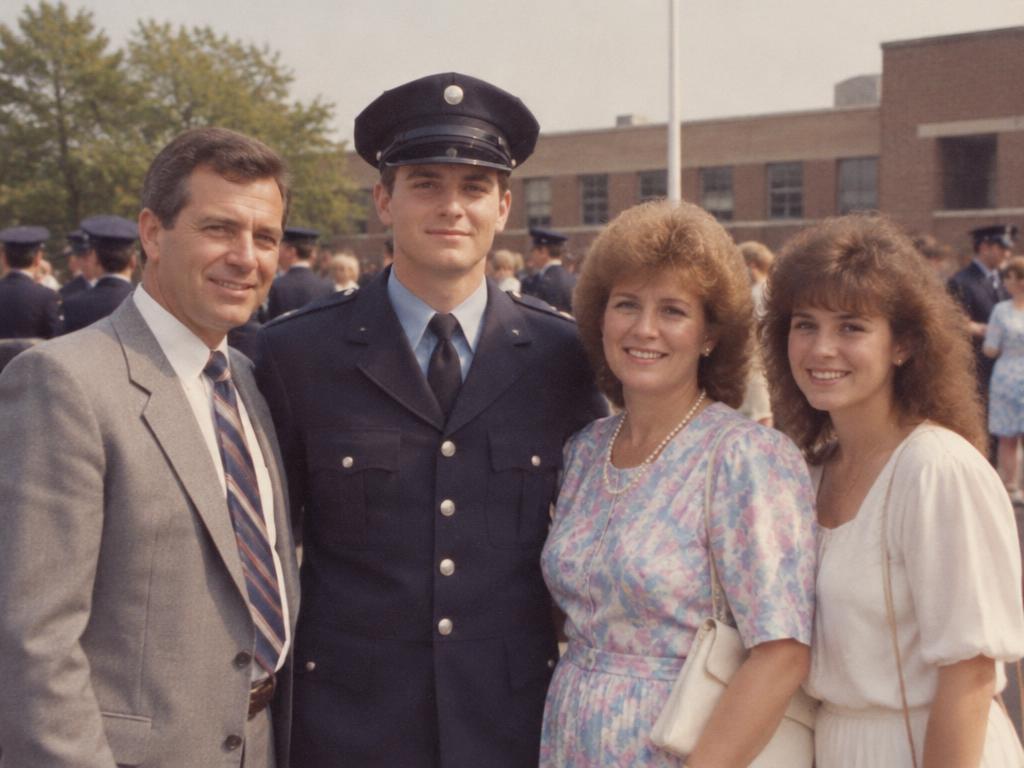
At graduation, Mom cried before anyone called my name. The badge felt heavier than I expected—not because of the metal, but because I had begun to understand what it asked of me. I was proud. I was also relieved. Then my assignment arrived, and I realized graduation was a beginning, not proof that I knew the job.
Chapter 2 · 1989
My First Assignment
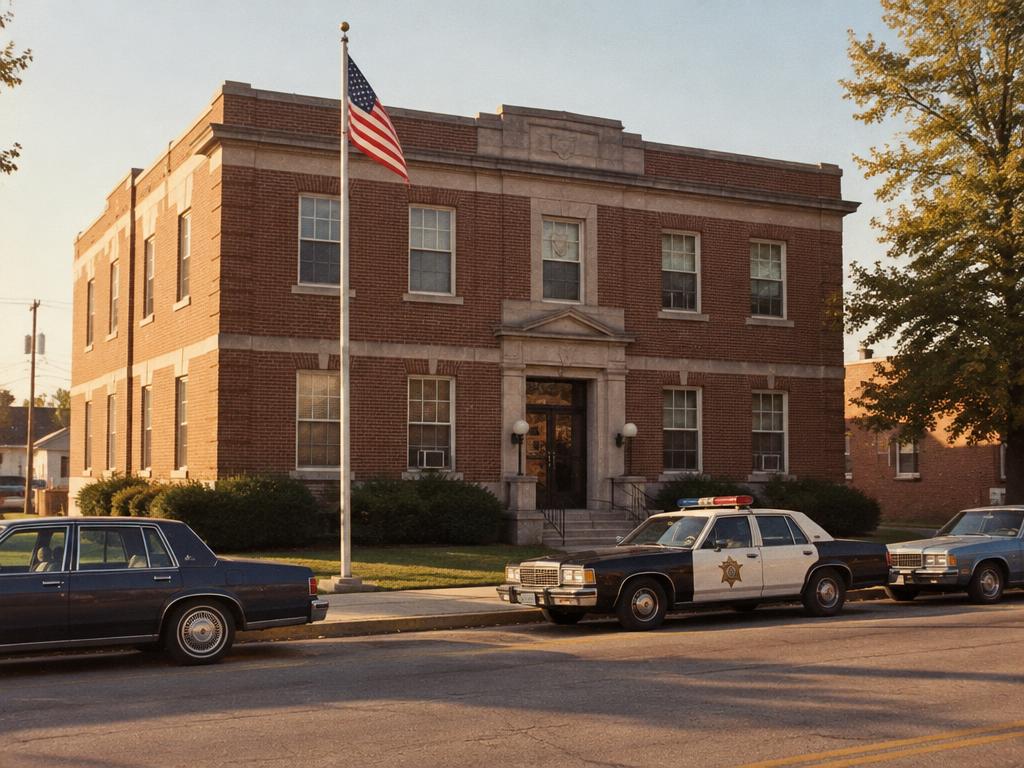
My first assignment was Northwest Division of the Cedar Hollow Police Department. The station was an old brick building with a coffee pot that seemed to have been there longer than anyone working inside it. I walked in with my academy confidence and a notebook small enough to fit in my shirt pocket.
Sergeant Mae Ellis showed me my locker, checked that I knew where to report, and offered one piece of advice: ‘Listen before you decide you understand.’ At roll call, officers discussed an overnight burglary, a road closure, and a neighbor dispute that had been going on for months. Real life did not arrive neatly labeled like an academy exercise.
I wrote down streets, procedures, and names. Mostly, I watched. Before I could work those streets on my own, someone would have to help me connect what I had learned with what was happening in front of me. That someone was my field training officer.
Chapter 3 · 1990
Field Training
Officer Evelyn Chen, my FTO, had a calm voice and very little patience for pretending. On our first shift she told me that a question asked early was better than a mistake hidden late. We went through department procedures, checked our equipment, and talked about what she expected from me.
I gave dispatch the wrong cross street one evening. Another day, my report left out a detail that explained why we had taken action. Chen corrected me privately, then had me retrace the call and rewrite the report. Her daily evaluations were specific: what I had done well, what needed work, and what I would practice next. Some nights those pages stung. They also gave me a way forward.
Confidence came slowly, through repetition and honest feedback. By the time I was cleared to work independently, I no longer thought asking for help made me less of an officer. Chen had taught me the opposite. Still, the first shift without her in the passenger seat felt very quiet.
Chapter 4 · 1990
My First Beat
Beat Four looked straightforward on a map. On nights, it was a different education: apartment numbers hidden from the street, alleys that ended sooner than I expected, and calls that sounded simple until someone opened the door. I checked my map so often on my first solo shift that I could almost hear Chen telling me to look up.
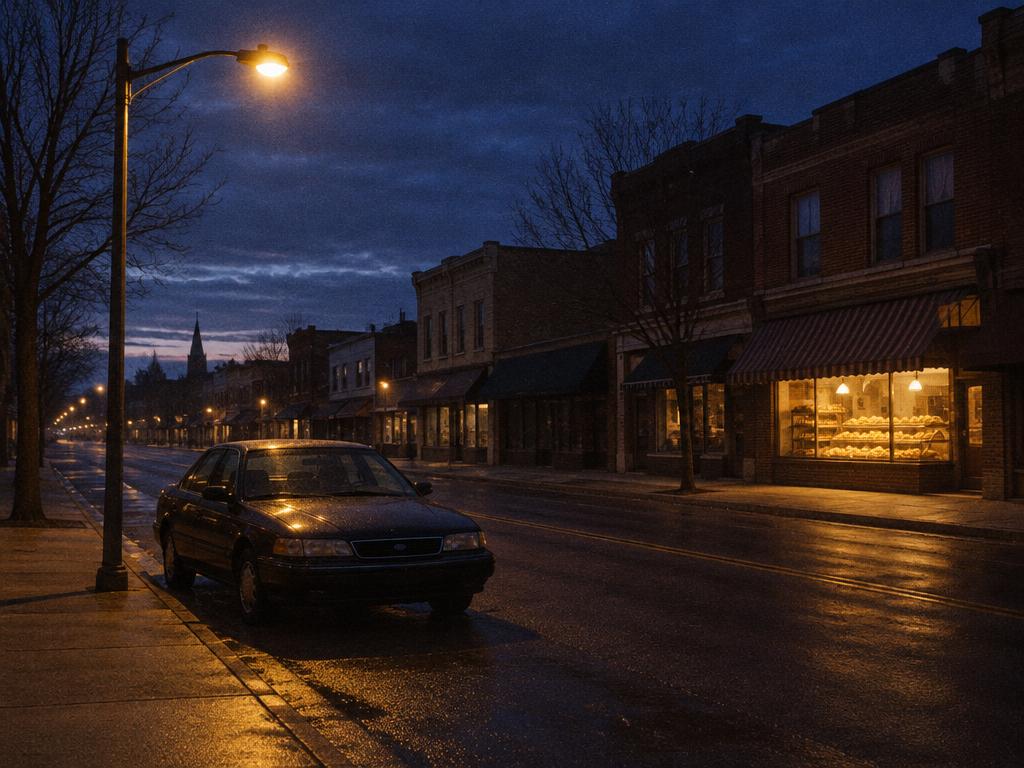
There were alarms, traffic collisions, reports, and arguments that required more listening than talking. Before dawn, Mrs. Clara Ortiz would be opening her bakery. She knew the neighborhood in a way no briefing sheet could capture. Over time, I learned which streets flooded, who worked late, and how much it mattered to explain what would happen after we left.
Being a solo officer did not mean doing everything alone. I learned to request another unit when I needed one, to follow through on a report, and to leave people with something clearer than ‘We’ll see.’ The beat became familiar. So did the voices on the radio, and the partners behind them.
Chapter 5 · 1995
The Partners Who Shaped Me
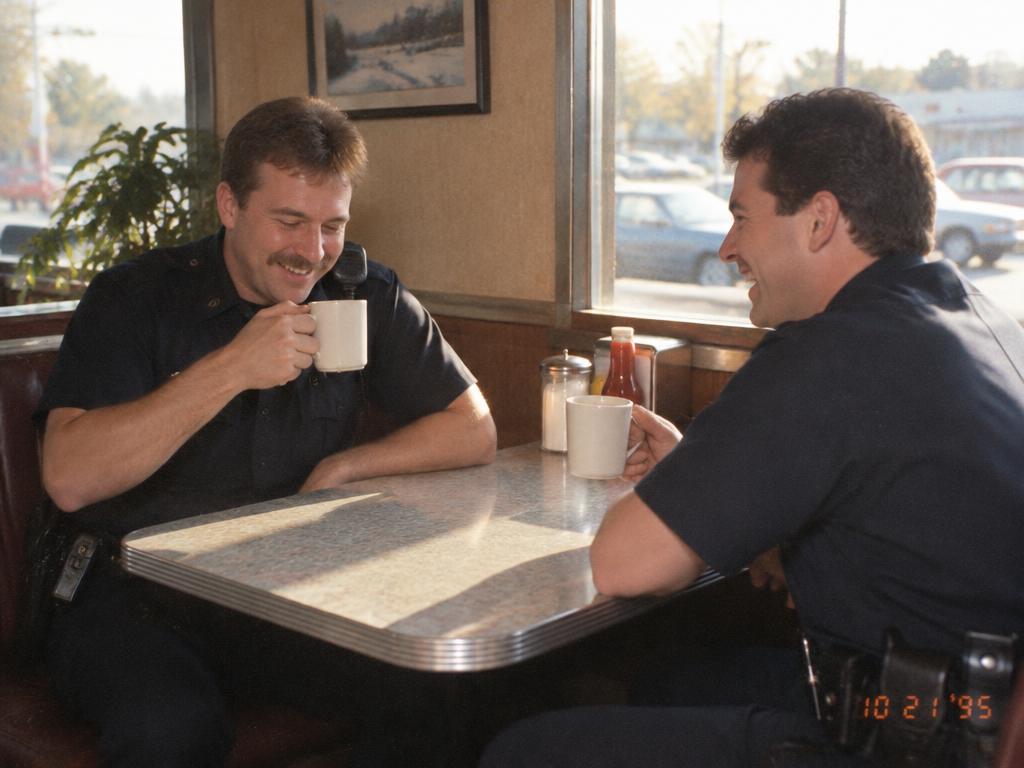
When Luis transferred to Northwest, he claimed our academy radio practice had prepared him for anything except my coffee. He was right about the coffee. Humor helped us through long shifts, but the best partners knew when to stop joking and listen.
Chen still asked how I was doing. Sergeant Ellis still sent a report back if it told only one side of the story. Neither let familiarity become an excuse for cutting corners. When our daughter was born, coworkers traded shifts so I could be home. I remember that kindness more clearly than many of the commendations I later tucked into a drawer.
Friendship at work was not always a big speech or a dramatic moment. Sometimes it was someone staying in the parking lot a few extra minutes after a difficult call, making sure you did not have to carry it home in silence. Those conversations mattered, because there were calls none of us could simply put behind us.
Chapter 6 · 2002
The Calls I Never Forgot
An older man once waved me down because he could not find his way home. He was embarrassed, so we took our time. When we reached his daughter, the relief on her face changed an ordinary-looking call into something I never forgot. Her note arrived at the station a week later. I kept it.
Another night, after a death, we waited with a family until someone they trusted could arrive. There was no sentence that could make the room less painful. I learned that doing the job sometimes meant staying present, speaking plainly, and not filling every silence. The report recorded our actions. It could not record everything the family had lost.
Some experiences followed me home. I did not always handle that well, and I gradually learned to talk with people I trusted rather than insist I was fine. I will not turn someone else’s hardest night into a trophy in my story. What belongs here is what I learned: people remember how we treat them when they have little control over what comes next.
Chapter 7 · 2012
A Career of Service
Most of my career was patrol. Later, I became an FTO and spent a period helping with neighborhood liaison work. I did not climb every rank, and I did not want to. Teaching a new officer to write a clear report or seeing neighbors return to a meeting felt like accomplishments worth keeping.
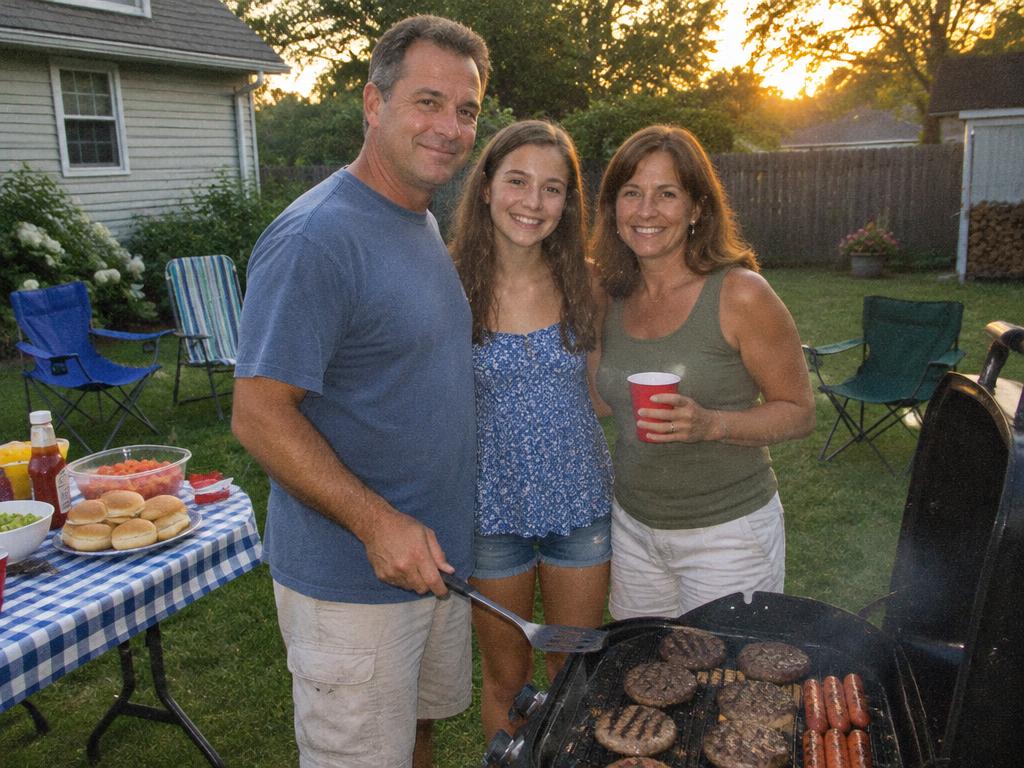
The schedule had a price. Lena carried more than her share at home, and our daughter learned early that holidays did not always fall on the date printed on the calendar. I missed dinners and school events. Service mattered to me, but that did not make those absences painless or turn family sacrifice into something I could take for granted.
I tried to become more deliberate about the time I did have: putting the phone aside, showing up when I could, and admitting when work had left me distracted. As retirement came closer, I thought less about the next assignment and more about the people who had made the whole career possible. I wanted to thank them while we still had time to sit together.
Chapter 8 · 2019
The End of the Watch
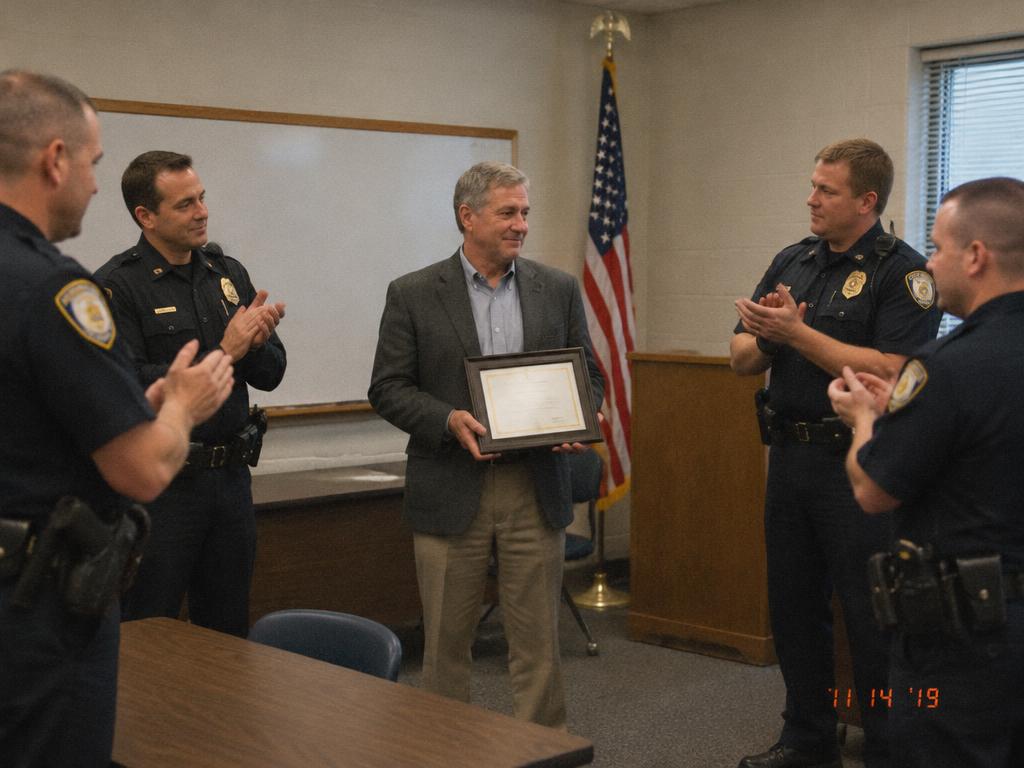
At my last roll call, I tried to keep my remarks short. I thanked the people in the room and the ones who could not be there. Then I cleaned out my locker. Among the spare pens and old forms were a few of Chen’s training notes and a drawing my daughter had made of me beside a patrol car. Those came home with me.
Retirement felt strange in small ways. I stopped setting an alarm for night shift. I could make plans without checking a rotation. For a while, I missed the radio voices and the certainty of knowing where I was supposed to be. Lena and I learned a new rhythm, with mornings that belonged to us.
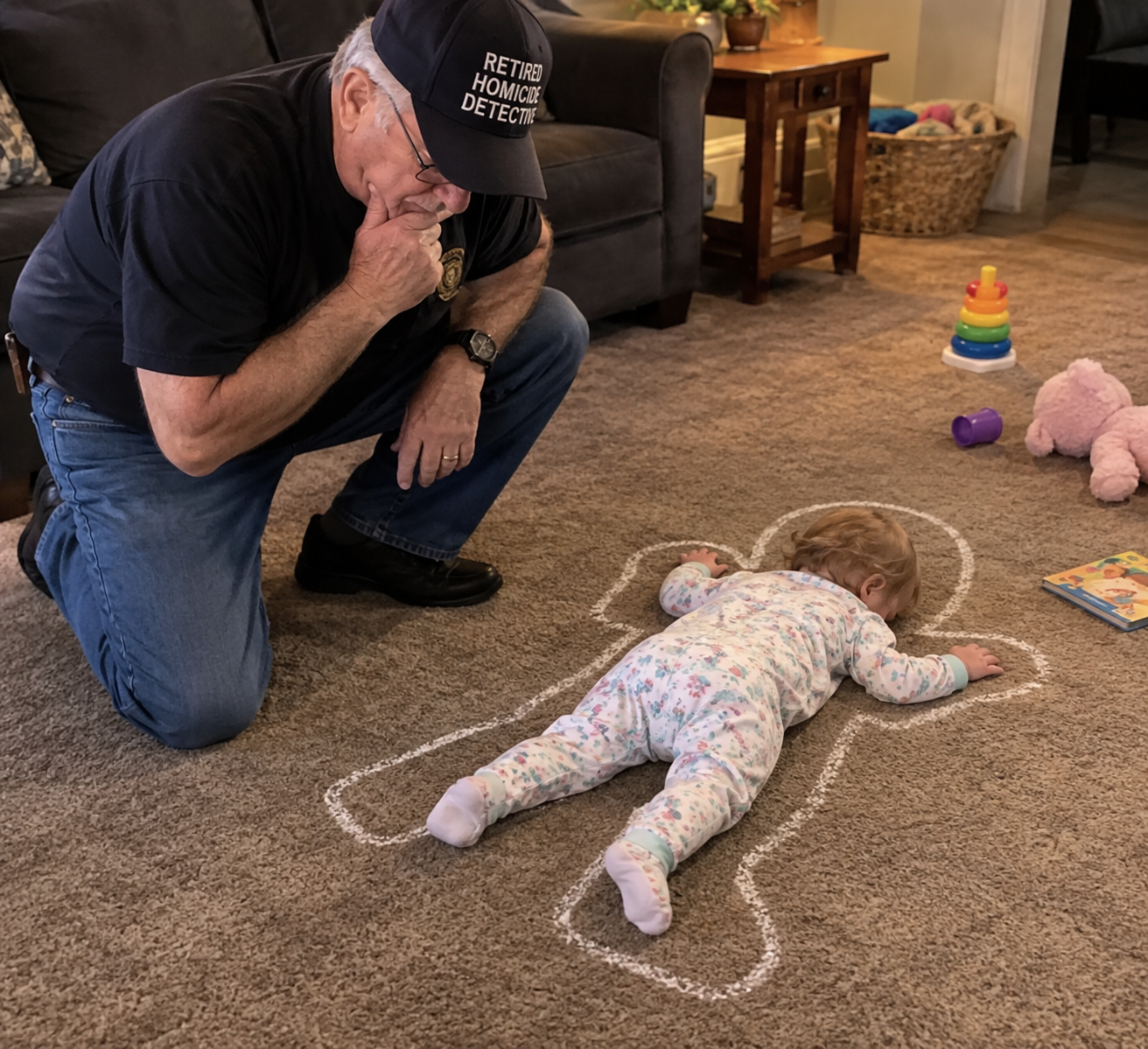
I am proud of my years of service, and I know I was imperfect. I want my grandchildren to understand both. Behind the badge were teachers, partners, neighbors, and a family who gave more than they were ever asked to give. If this story leaves them anything, I hope it is this: pay attention to people, own your mistakes, and remember to come home as more than your job. That is the part I am still learning.
For the People Who Come After Me
The uniform is put away. The people, the lessons, and the love behind those years are still part of me.